Last updated November 25, 2026


Free written scope consultation - allowances, timeline, and change-order rules on paper before a single trade is scheduled
How to Hire a Construction Contractor in Tacoma: A Step-by-Step Guide
Washington State’s contractor license lookup tells you someone has a bond and insurance. It tells you nothing about whether they’ve ever opened a wall in a 1920s Tacoma bungalow and found balloon-frame studs running the full height of the house, or whether they know which details Pierce County inspectors tend to flag on a finished basement. The license is the floor, not the ceiling. Most homeowners stop checking the moment they see a green checkmark on the L&I site, and that’s exactly where the trouble starts. In this guide we’ll walk through the questions that actually separate a contractor who knows Tacoma’s housing stock, permit offices, and material supply from one who’s guessing. You’ll learn how to read a license classification, how to compare bids that look nothing alike, and how to spot the contract clauses that cost people the most money.
Quick Answer
To hire a construction contractor in Tacoma, verify the contractor’s L&I registration and confirm the license classification matches your project type, ask for three local references on homes of similar age, compare written bids line by line rather than by total price, and read the contract for allowance amounts, permit responsibility, and payment schedule before you sign. The right contractor will explain their material sources by brand, name their permit contact, and put the estimate in writing. The wrong one will quote a lump sum over the phone and ask for a large deposit up front.
Styles & brands we work with
- Kitchen remodeling
- Bathroom remodeling
- Home additions & ADU
- Roofing
- Windows & doors
- Driveway & pavers
- Fence
Table of Contents
- What Does a Washington Contractor License Actually Cover?
- How Do You Screen for Experience With Older Tacoma Homes?
- What Questions Should You Ask in the Contractor Interview?
- Why Do Three Tacoma Bids Come Back So Far Apart?
- How Do You Read a Material Spec Sheet?
- What Red Flags Belong in a Tacoma Contractor Contract?
- How Do Permits Work in Tacoma and Pierce County?
- How Do You Protect the Project Timeline?
What Does a Washington Contractor License Actually Cover?
A Washington contractor registration with the Department of Labor & Industries is required before anyone can legally bid or perform construction work for compensation. But registration is a single step. What most homeowners miss is the license classification attached to that registration, which determines what type of work the contractor is actually authorized to perform. Two contractors can both show active status on the L&I lookup and carry very different authority to work on your house.
The classifications you’ll see in Tacoma
Washington uses a general contractor classification plus a set of specialty classifications. The distinction matters more than it sounds.
- General contractor – can contract for and manage a full construction project, including hiring specialty subcontractors. This is what you want for a whole-home remodel or an addition where framing, electrical, plumbing, and finish work all come together.
- Specialty contractor – limited to a specific trade or scope, such as plumbing, electrical, roofing, or siding. A specialty contractor can’t legally take on the general contract for a project that spans multiple trades.
- Residential specialty – a narrower scope still, often limited to specific residential work types. Fine for a single-trade job, not fine for a renovation.
Here’s where homeowners get tripped up. A contractor with a specialty plumbing classification can pull a plumbing permit and do excellent plumbing work, but they cannot sign a contract to remodel your kitchen, even if the kitchen work is 80% plumbing. If your project involves more than one trade under a single contract, the person signing needs the right classification for the combined scope.
What registration and bonding do and don’t prove
The L&I registration confirms the contractor carries a surety bond and liability insurance at the state minimums, and that they’ve registered with the state to do business. That’s real protection and you should always verify it before signing anything. What it doesn’t prove is competence, experience with your home’s era, or that the crew showing up at your door is the crew the license belongs to. Registration is a floor, not a guarantee. Ask for the registration number in writing and check it yourself rather than taking a screenshot on faith.
For work that touches structure, mechanicals, or anything requiring a permit, insist on a contractor whose classification covers the full scope. If you’re planning something substantial, the home remodeling process usually involves several trades under one contract, and the person you hire needs the authority to manage all of them.
How Do You Screen for Experience With Older Tacoma Homes?
“We work on older homes” is a line every contractor says. What you want to know is whether they’ve actually opened up the specific housing stock in your neighborhood. Tacoma has a wide spread of home eras, and the construction methods differ enough that experience in one doesn’t automatically transfer to another.
The eras that matter in Tacoma
North Tacoma and the Proctor District are full of craftsman bungalows and four-squares from the early 1900s through the 1930s. Many of these have balloon-frame construction, where studs run continuously from the foundation to the roofline, and knob-and-tube wiring is still occasionally found hidden in walls during a remodel. Balloon framing has real implications for fire blocking and insulation retrofits, and a contractor who’s never dealt with it will either miss it or charge you to fix it after the fact. Homes in the Stadium District and along the North End run older still, and some have had multiple additions layered on over the decades, each with its own framing and wiring approach.
Head south toward South Tacoma and the Lincoln District and you’ll find a mix of 1940s and 1950s post-war housing, plus a lot of mid-century homes with slab foundations and different crawl space configurations than the older north-end houses. Newer construction shows up more in the outskirts and in certain pockets near the waterfront, and while those homes pose fewer surprises, they have their own quirks in how mechanical systems were run.
The questions that reveal real experience
Ask directly about your home’s era and listen for specifics, not generalities.
- “What’s the most common framing method you find in homes from my decade?” A good answer names balloon or platform framing and explains what it means for the work.
- “How do you handle knob-and-tube wiring when you find it during demolition?” A vague answer here is a warning sign.
- “Have you worked in my neighborhood before, and what surprises have you run into there?” Neighborhood-level familiarity is the signal.
- “What does a typical Pierce County inspection look like for a project like mine?” A contractor who does this regularly will know the inspection flow.
If the contractor can’t tell you what framing method their last job used, they weren’t paying attention. That’s not a stylistic preference. It’s a competence question. For a project where you’ll be working through a full interior renovation, the kitchen remodeling work is a good place to test whether a contractor understands the existing structure before you commit to the rest of the house.
What Questions Should You Ask in the Contractor Interview?
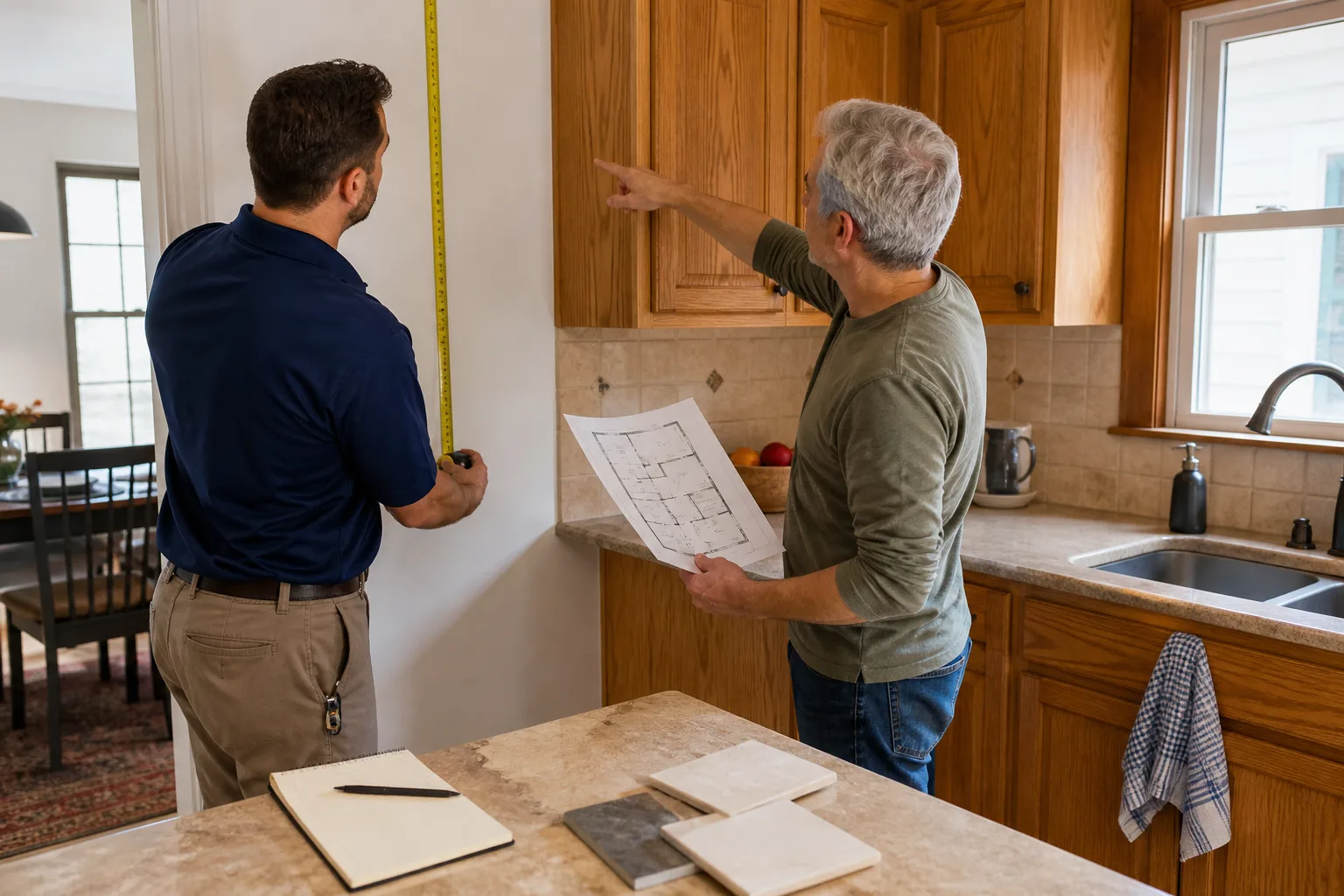
The interview is your best chance to find out whether the person on the other side of the table knows what they’re doing. It’s not a formality. Treat it like a job interview, because it is one. Here’s the sequence we recommend, in order.
- Ask for the L&I registration number in writing. Look it up yourself before the interview ends. Confirm the classification covers your project scope, not just that the registration is active.
- Ask how long the technicians on the project have been doing this work. You’re looking for whether the crew doing the actual work has real tenure. Our technicians have up to 14 years of experience, and we’re transparent about that because the crew matters more than the salesperson.
- Ask for three local references on homes built in the same decade as yours. References on new construction tell you nothing about your 1920s bungalow.
- Ask how they source materials and name the brands. “We use quality materials” is a non-answer. “We work with KraftMaid and Wellborn for cabinetry” tells you exactly what you’re getting.
- Ask who pulls the permits. The answer should be the contractor, and they should know which office handles which part of the work.
- Ask for a written line-item estimate, not a lump sum. Compare the line items across bids, not the totals.
- Ask how they handle change orders. A good contractor explains the process and puts the change in writing before the work proceeds.
Notice that almost none of these questions are about price. Price comes later, after you know the bids are comparable. Ask these questions first and you’ll be better prepared to spot a bid that’s low because it’s missing scope. The materials matter too: a contractor working with Cambria, Silestone, or Caesarstone for countertops and Kohler or Moen for fixtures is showing you their supply chain, not just their taste. Name-brand sourcing is a signal that the contractor has relationships with manufacturers who back their products directly.
Why Do Three Tacoma Bids Come Back So Far Apart?
If you get three bids on a Tacoma kitchen remodel and they come back at $18,000, $34,000, and $52,000, something is off. Not necessarily with the contractors, but with the way the bids are structured. In Tacoma’s current labor market, where good crews are booked out and material lead times can stretch, the range across three bids is often far wider than the scope differences justify. That doesn’t mean the middle quote is the honest one.
Why bids diverge
Three contractors bidding the same project can be bidding completely different projects. One is quoting the minimum to win the job and will discover the rest later through change orders. One is including quality materials and permitting. One is overpriced because they’re slow or overbooked. Without line-item detail, you can’t tell which is which.
Bids also diverge because of how contractors source labor. Some use their own crew, some subcontract out the trades, and some mix. The contractor who subcontracts may have a lower overhead and a lower bid, but they’re also the one who can’t control the schedule when the sub is booked elsewhere. When you hire a company that handles its own core scope, you get a single point of accountability instead of a coordination chain.
How to normalize bids for a real comparison
Ask every contractor for a line-item bid with the same structure. Then compare across these categories:
- Demolition and disposal – is debris hauling included, or is it a separate cost?
- Permits and inspections – who pulls them and who pays the fee?
- Material specs by brand and model – does the bid name the cabinet line and countertop brand, or say “allowance”?
- Labor by trade – who’s doing the electrical, plumbing, tile, and paint? In-house or subcontracted?
- Fixtures and finishes – is the bid pricing a specific fixture, or a placeholder number?
- Change order procedure – what happens when work changes and how is it priced?
Once the three bids are laid out in the same structure, the apples-to-apples comparison becomes obvious. Two bids at $34,000 that list entirely different scope were never really the same price. This is also where countertop brands show up as a differentiator. A bid that says “quartz countertop” is a range of quality, while a bid that names Cambria, Silestone, or Caesarstone is a known quantity with a manufacturer warranty behind it. Names matter because they carry obligations.
How Do You Read a Material Spec Sheet?
Photos of a finished kitchen can’t tell you what’s behind the cabinet doors. Two kitchens with the same white shaker profile can be built from very different material grades, and the photos look identical. Reading the spec sheet is how you protect your investment from substitution.
The structure of a real spec sheet
A genuine spec sheet names the manufacturer, the product line, and the model number. A commodity substitute uses vague language that sounds specific. Here’s what to look for:
- Manufacturer – a specific brand name, not “premium cabinet” or “designer-grade.”
- Product line – the actual line within that manufacturer. KraftMaid has multiple lines; knowing you’re getting a specific one matters for warranty and durability.
- Model or part number – for fixtures, the exact model matters. A Kohler faucet comes in multiple finishes and configurations, and each has its own model number.
- Surface material specifications – for countertops, the specific brand and product line. Cambria quartz, Silestone, and Caesarstone each carry their own warranties and performance characteristics.
- Warranty terms – who warrants the product, and for how long. Name-brand products come with manufacturer warranty coverage that commodity substitutes don’t match.
Why brand names protect you
When a contractor names the cabinet manufacturer, the countertop brand, and the fixture line, you have leverage. If the product delivered doesn’t match the spec, you’re not in an argument about whether the substitute is “equivalent.” It’s a specific product with a specific model, and it either matches or it doesn’t.
The brands we work with matter for this reason. KraftMaid and Wellborn for cabinets, Cambria, Silestone, and Caesarstone for surfaces, and Kohler, Moen, Delta, Grohe, American Standard, Toto, and Blanco for fixtures. Each has a manufacturer behind it. When you’re choosing materials, ask for the exact brand and line in the bid. If the contractor can’t give it to you, the “allowance” number is doing the work, and allowances are where budgets break.
Flooring follows the same logic. Schluter Systems in the material lineup signals correct waterproofing and transition methodology in a tile installation. It’s a name that means something to people who know the trade, and it’s a reasonable question to ask any contractor planning tile work in a Tacoma bathroom, where moisture management matters.
What Red Flags Belong in a Tacoma Contractor Contract?
Most contract problems are visible before the work starts. They’re in the language of the agreement itself. Here are the clauses that cause the most grief, and what to look for in each.
Vague allowances
Allowances are placeholder dollar amounts for materials that haven’t been selected yet. A $5,000 countertop allowance sounds fine until you learn the actual cost of the Cambria you want is $7,500, and you’re paying the difference. That’s the allowance trap. Ask the contractor to either specify the material now or make the allowance a fixed number with a clear overage procedure.
Missing permit responsibility language
The contract should say clearly that the contractor pulls all required permits for the scope and that permit fees are included in the contract price. If the contract doesn’t say who pulls permits, that’s a gap. If it says “homeowner responsible for permits,” that’s a red flag, because the homeowner generally can’t pull a construction permit for work they’re not performing themselves.
Front-loaded payment schedules
A common pattern is a large deposit, often 30% to 50%, paid before any work begins. A reasonable payment schedule aligns with milestones: a modest deposit to secure materials, then payments tied to completion of defined stages, with a final payment held until punch list is done. A contractor who wants half the money before demo is a contractor who can’t finance their own operations. Ask how the schedule maps to milestones and whether they’ll put it in the contract.
No change order procedure
The contract should describe how changes are priced and approved. A written change order, signed by both parties, before the work proceeds. If the contract is silent on changes, every change becomes a negotiation.
No warranty language
Both the workmanship warranty and the material warranties should be described. Material warranties come from the manufacturer, and the workmanship warranty should come from the contractor. Both should be in writing.
How Do Permits Work in Tacoma and Pierce County?
Tacoma building permits are generally issued through the City of Tacoma for work inside the city limits, and Pierce County handles unincorporated areas. The contractor should know which office applies to your address, and it’s a reasonable question to ask. Most cities require a permit for structural work, additions, mechanical changes, and anything touching electrical or plumbing, so the specific permit needs depend on your scope.
A few things to verify before work starts:
- The permit is pulled in the contractor’s name, with the correct classification.
- Inspection stages are scheduled at the right points, not bunched at the end.
- Final inspection is completed before the final payment is released.
In older Tacoma housing, permits often surface surprises. What looked like a simple kitchen remodel can turn into a permit review of unpermitted previous work, and the contractor should be ready to handle that conversation with the city. The right answer isn’t “we’ll figure that out later.” It’s a plan for what happens if the inspector flags something. If you want to understand how this plays out in practice, ask about a recent project in an older home and how the permit stage went. Specifics are the signal. The bathroom remodeling work on a 1920s home, for example, often involves verifying the existing venting and drain configuration, and the contractor should be able to explain how that verification is handled.
How Do You Protect the Project Timeline?
Supply chain delays in Tacoma still hit projects, and the contractors who manage them are the ones with established manufacturer relationships and realistic lead times. The bid should include a schedule with material order dates, not just an end date.
What realistic timelines look like
The project schedule should list:
- Material order dates and expected delivery windows for each major line item.
- The staging of trades (demo, framing, electrical, plumbing, drywall, tile, paint, fixtures).
- Inspection points and how they affect the schedule.
- Contingency for punch list and final walkthrough.
A bid without material order dates is a bid without a real schedule. Ask the contractor when they’ll order the cabinets, the countertops, and the fixtures. If those dates are vague, expect delays.
The single-contractor advantage
When you work with one contractor covering the whole scope, the schedule is one schedule, not a chain of five. When multiple trades are hired separately, every delay cascades, and the blame is impossible to assign. The single-scope model, where a company handles structural, flooring, and paint together, eliminates the coordination gaps. That’s the main reason we build our work that way.
Your contractor should also be transparent about the current labor market. If they’re booking out several weeks, that’s a real factor for your project. It’s better to know at the bid stage than to learn when you’re waiting for a crew.
Common Mistakes to Avoid
- Confusing an L&I registration with a classification match. A specialty plumbing license is not a general contractor license, and a kitchen remodel under one contract needs the full scope covered. Always check both.
- Comparing lump-sum totals. Three bids with completely different scopes will have completely different totals, and the lowest total is often the most expensive job once change orders land. Insist on line-item bids with the same structure.
- Accepting a large up-front deposit. Payments should align with milestones. A 50% deposit before demo is a request to finance someone else’s operation, and it’s a common clause in the contracts people regret.
- Letting “allowances” stand in for real material specs. An allowance is a number. A brand name and model is a commitment. In a Tacoma countertop project, a bid that says “quartz” instead of Cambria, Silestone, or Caesarstone is leaving the decision to whoever’s buying the material.
- Hiring a contractor who can’t name the permit office. The City of Tacoma versus Pierce County distinction is basic knowledge for anyone working inside the city. A contractor who’s unsure which office applies is a contractor who hasn’t worked this address closely.
- Skipping the housing-era questions. “Older homes” is a phrase. “Balloon-frame construction” is a fact. Ask which one they say, and listen closely to the answer.
- Not asking for references on homes from your decade. References are only useful if they’re relevant. A reference on a 2005 subdivision home tells you little about a 1920s Craftsman in North Tacoma.
See the difference
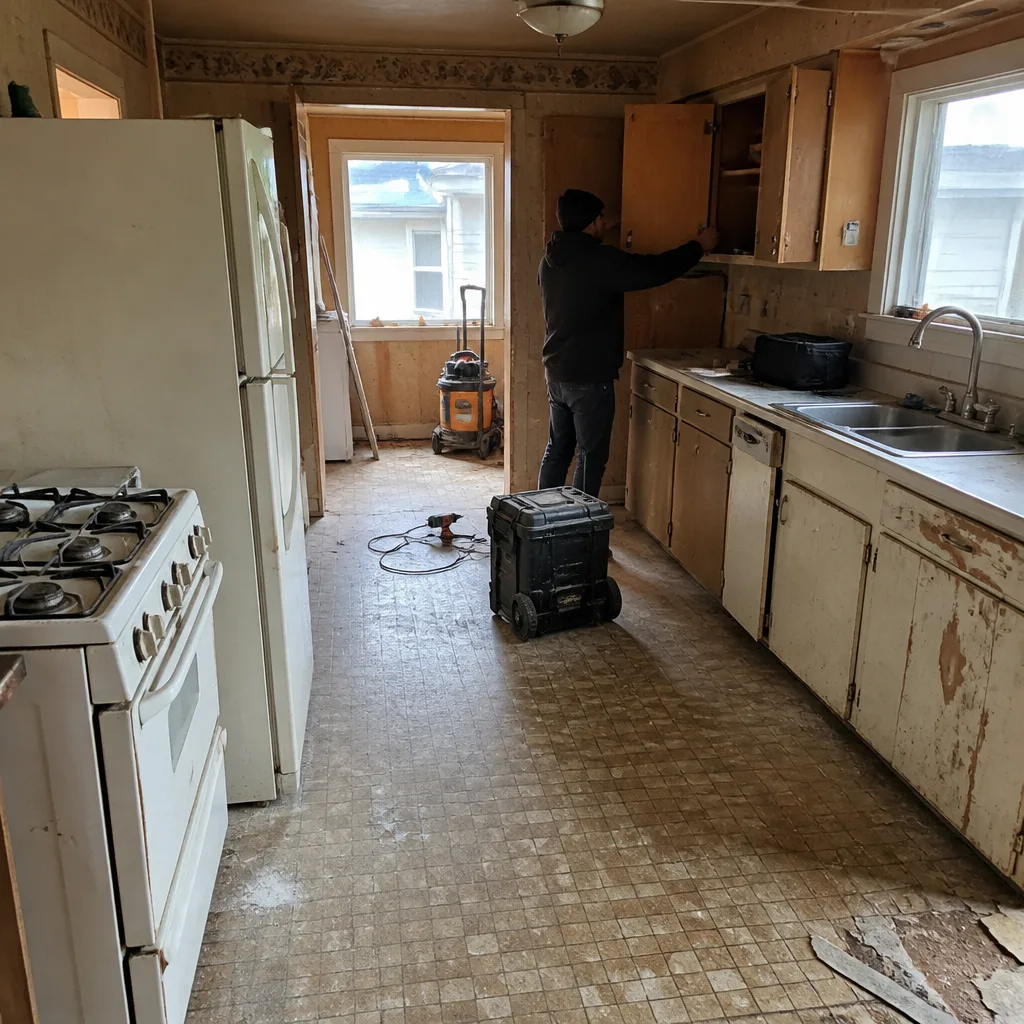 Before
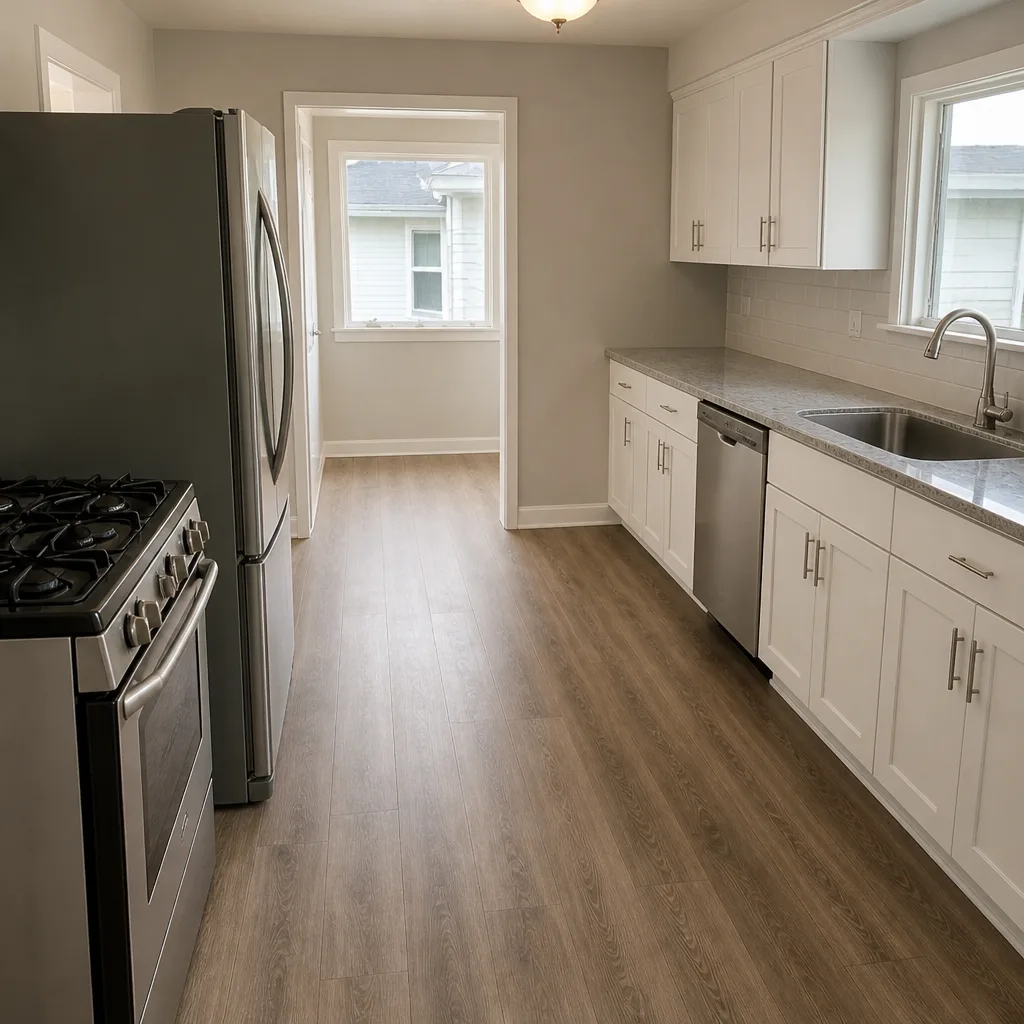 After
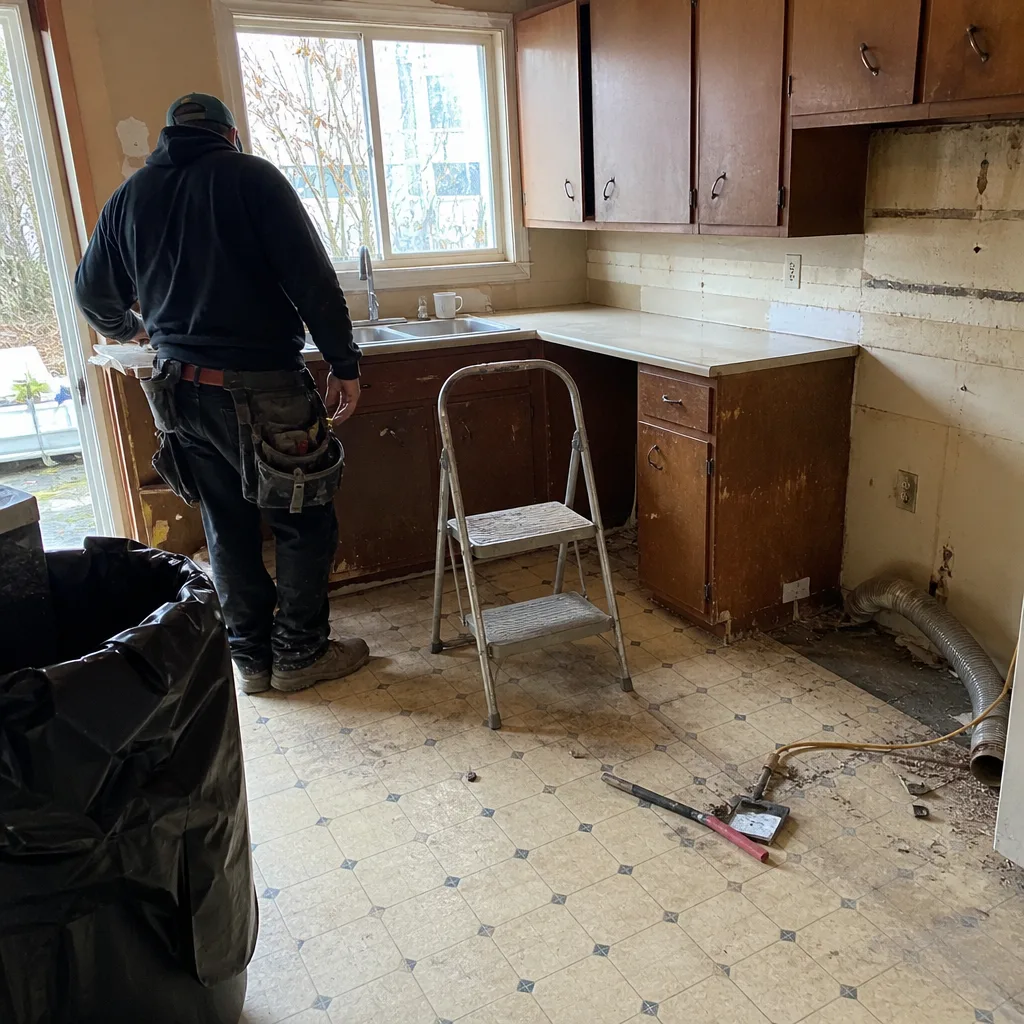 Before
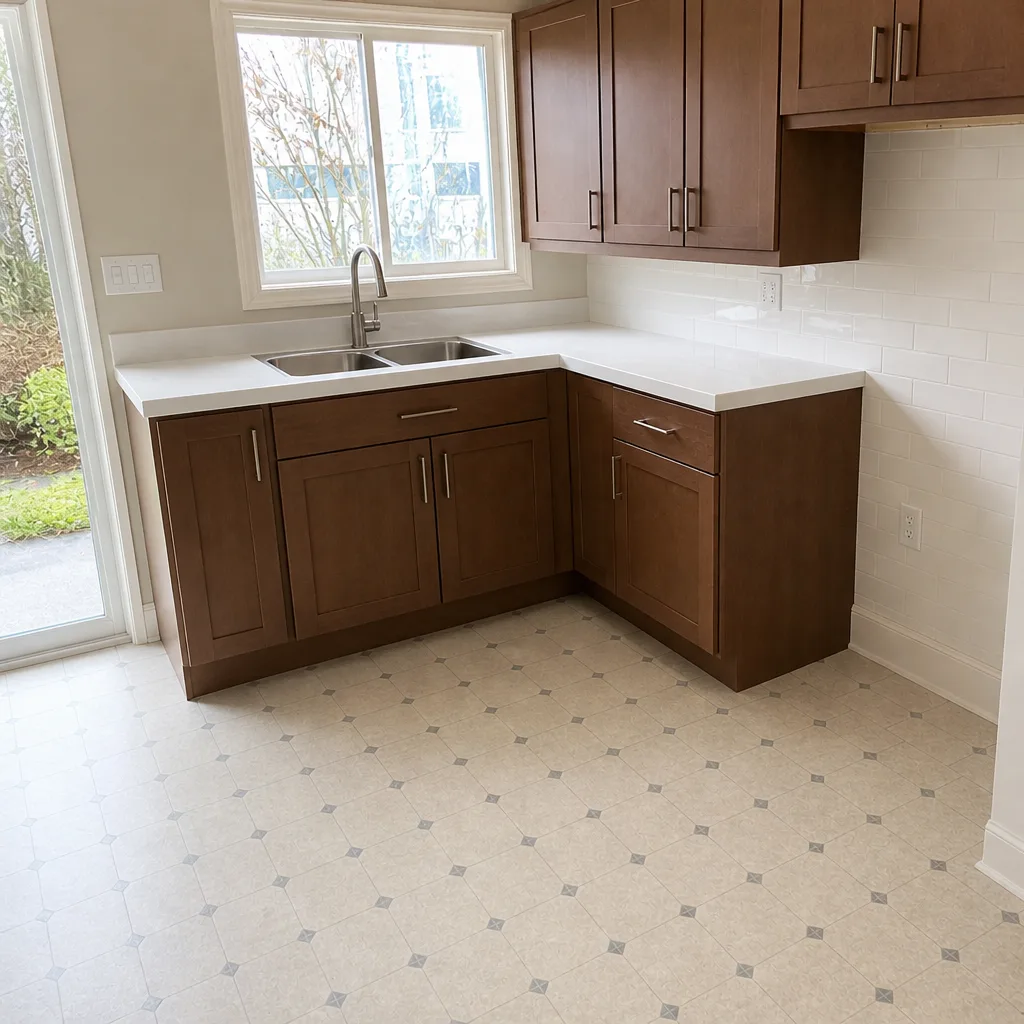 After
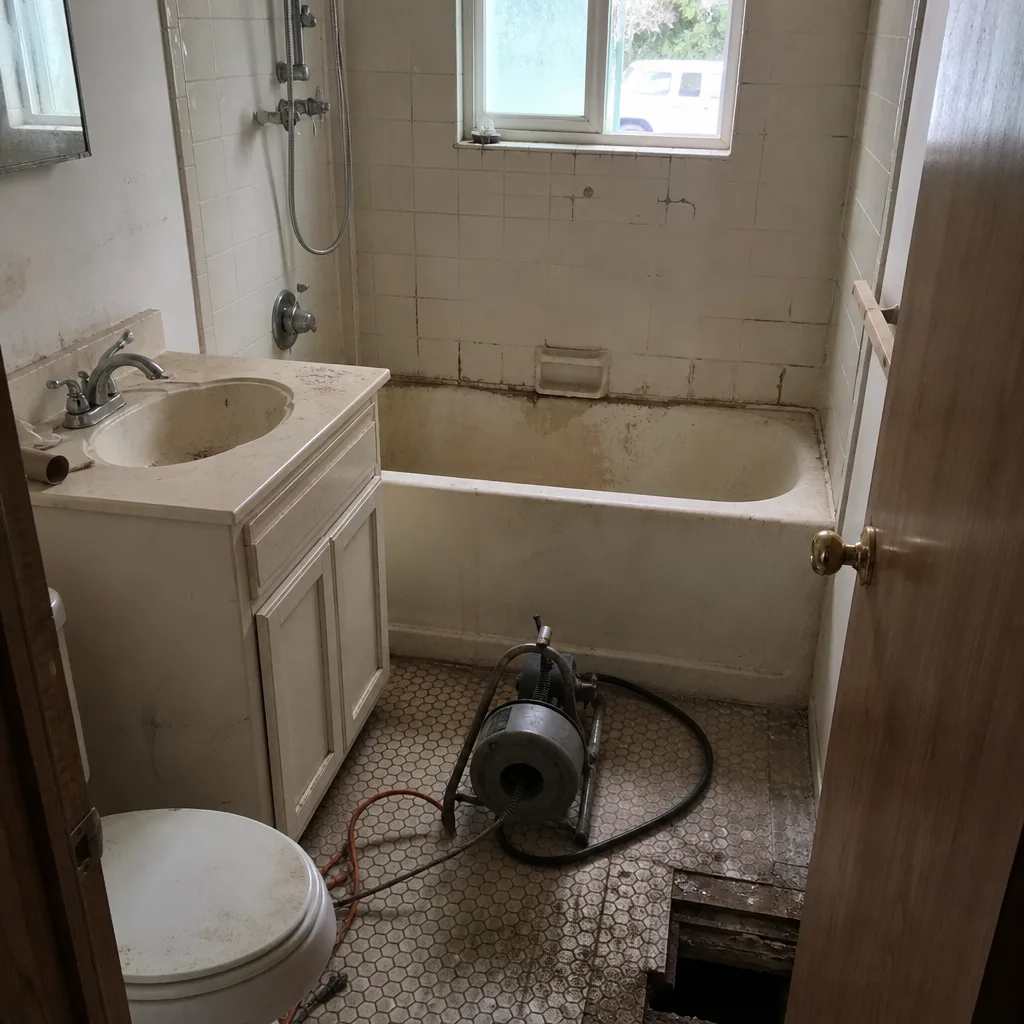 Before
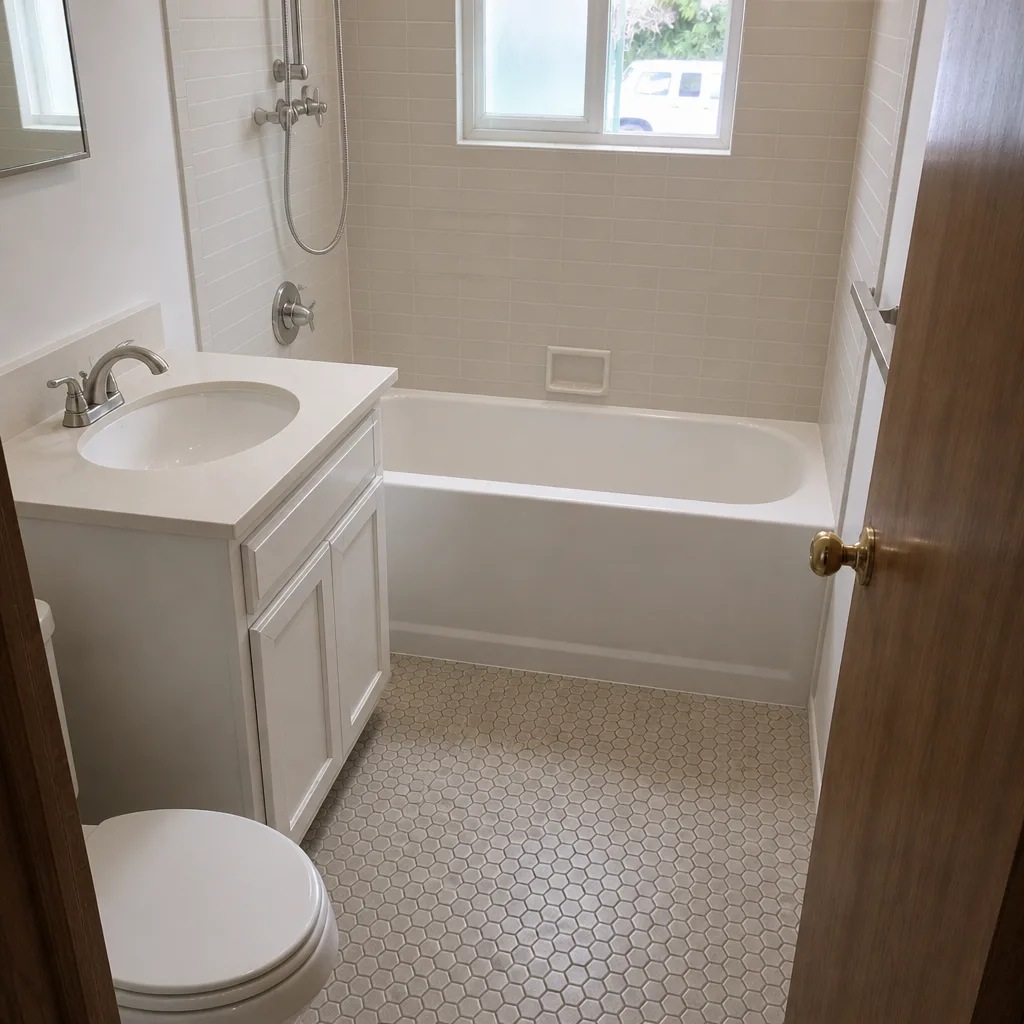 After
When to Call a Professional
Some work genuinely belongs in a homeowner’s hands. Replacing a light fixture, painting a room, or swapping a faucet is reasonable to do yourself. But the moment a project touches the structural envelope, the electrical system, the plumbing stack, or the permitted scope of your home, the risk shifts. Remodeling a kitchen or bathroom involves multiple trades under one permit, and mistakes in this territory are expensive to reverse. Structure, gas lines, electrical panels, and steep-roof or height work all call for a trained professional, and a general contractor is the person who coordinates those trades under one scope. If your project is a full interior renovation, a kitchen or bath overhaul, a flooring installation, or interior and exterior painting, a licensed contractor keeps the work permitted and accountable. Tacoma Remodeling Pros offers free estimates in Tacoma. Call (253) 295-2010.
Frequently Asked Questions
There’s no fixed number because the price depends entirely on the scope, materials, and the condition of the existing structure, and every written estimate should reflect those factors line by line. What you should insist on is a written itemized bid that names the material brands and includes permits, so you’re comparing real numbers instead of allowances. Call (253) 295-2010 for an exact quote. Estimates are free.
Look up the contractor’s registration number on the Washington State Department of Labor & Industries website and confirm both that the registration is active and that the classification covers your project type. A general contractor classification can take on a multi-trade renovation; a specialty or residential specialty classification cannot. Verify before you sign anything.
It shouldn’t change for the scope that’s in the written estimate, but legitimate changes to scope should be handled through written change orders approved by you before work proceeds. The risk area is allowances and undiscovered conditions in older Tacoma housing, which is why the contract should spell out both. Call (253) 295-2010 for a written estimate before committing.
The contractor should pull the permits in their name, with the correct classification, and permit fees should be included in the contract price. The City of Tacoma handles permits inside city limits and Pierce County handles unincorporated addresses, so the contractor should know which one applies to your home. Confirm this in writing before work begins.
Wide bid ranges are common in a tight labor market because each contractor is pricing a different scope, a different material grade, and a different labor arrangement. Normalizing bids into identical line-item categories reveals whether the difference is real or just an accounting artifact. Call (253) 295-2010 for a line-item estimate that’s easy to compare against others.
The schedule depends on the scope, but a realistic bid will include material order dates, trade sequencing, permit inspection points, and a contingency for the final walkthrough. If the bid only gives an end date with no material order timelines, ask for more. A contractor with established manufacturer relationships will be able to give you reliable order dates up front.
The Bottom Line
Hiring a contractor in Tacoma is mostly a matter of asking the right questions before the contract is signed. Verify the L&I registration and classification. Ask which framing methods they’ve handled in your home’s decade. Insist on line-item bids and put the material brands into the spec sheet. Watch for front-loaded payment schedules and vague allowances. And normalize your three bids into the same structure so you’re comparing the same project. The contractor who can explain permit responsibility, name the material brands, and put both the schedule and the warranty in writing is the one worth hiring. Our technicians have up to 14 years of experience with Tacoma’s housing stock, and we’re happy to walk through any of it with you.
If you’re ready to get a real number on your project, call Tacoma Remodeling Pros at (253) 295-2010 for a free estimate. We answer 24/7. Fast dispatch from 7am to 7pm, Sunday through Friday. Learn more about our work at Tacoma Remodeling Pros, and read more about how we handle kitchen remodeling, bathroom remodeling, and home remodeling across our five service categories.
Written by the team at Tacoma Remodeling Pros.