Last updated November 25, 2026

Free written scope consultation - allowances, timeline, and change-order rules on paper before a single trade is scheduled
Seasonal Construction Care for Tacoma: Year-Round Homeowner’s Guide
Most remodeling advice treats the year as two halves: building season and waiting season. Tacoma doesn’t work that way. Precipitation here is spread across roughly nine months, so the dry stretch from July through September is a narrow construction window, and everything else is a long shoulder season that rewards planning and punishes improvisation. With about 38 inches of rain a year, moisture is the variable that quietly decides whether a project runs smoothly or fights you the whole way. This guide walks through what to schedule when, how Tacoma’s damp affects specific materials like hardwood, tile adhesive and paint, and what to inspect before the heavy rain returns.
Quick Answer
In Tacoma, the smartest approach is to plan interior work for the wet months and push anything that exposes the building envelope into the July-September dry window. Winter and spring are the right time for design, material selection and interior remodeling, because moisture in the air changes how hardwood acclimates, how fast tile adhesive cures and how well paint bonds. Get the sequencing right and Tacoma’s long rainy stretch works in your favor; get it wrong and you spend the project chasing moisture problems.
Styles & brands we work with
- Kitchen remodeling
- Bathroom remodeling
- Home additions & ADU
- Roofing
- Windows & doors
- Driveway & pavers
- Fence
Table of Contents
- Why Tacoma’s Construction Window Matters
- Month-by-Month: What to Build When in Tacoma
- How Seasonal Moisture Affects Your Materials
- Pre-Rainy-Season Inspection Checklist
- Why Tacoma Contractors Book Out in Spring
- Products Worth Specifying for Shoulder-Season Work
- How We Sequence a Year-Round Remodel
Why Tacoma’s Construction Window Matters
Tacoma sits in a part of the Pacific Northwest where the rain doesn’t come all at once. It arrives in steady, low-intensity stretches across most of the year, with a reliably drier stretch in late summer. That pattern has a big effect on construction. A job that opens a wall to the sky in October can be dried in with tarping and temporary protection, but it’s slower, riskier and more expensive in labor hours than the same job in August.
The practical takeaway is that the dry window is real and worth planning around. Anything that leaves the building open to weather (roof-to-wall work, siding replacement, exterior painting, window swaps, additions) belongs in July, August or September where scheduling allows. Interior-led work has far more flexibility. A kitchen or bathroom remodel is mostly shielded from the weather once the envelope is intact, which is why home remodeling can run through fall and winter here without the panic that a roofline project would create.
What most homeowners don’t anticipate is the shoulder season – the wet months that bracket the dry window – because that’s where the subtle problems show up. Materials that arrive on a damp day, paint that goes on a cold exterior wall, and tile set on a slab that’s still holding seasonal moisture are all manageable, but only if someone is watching for them. The right plan treats the shoulder season as a specific set of conditions, not just “not summer.”
Month-by-Month: What to Build When in Tacoma
Break the year into blocks and you can see which tasks are naturally well-suited to Tacoma’s climate and which need to be timed around the dry window. Here’s how we think about the calendar when we’re looking at a project’s schedule.
- January through March. The wettest stretch. Best used for design, material selection, permitting and interior structural work that stays inside the envelope. This is also the ideal window for planning, because booking decisions made now open up better project slots later.
- April through June. Drying trend, longer days, still unpredictable. Good for interior work, cabinetry installation, countertop templating and flooring – provided hardwood is given proper acclimation time as humidity fluctuates. Exterior painting is possible but requires close attention to substrate temperature and moisture.
- July through September. The dry window. This is the season for exterior painting, siding and James Hardie fiber cement installation, window and door replacement, additions and anything that leaves the envelope exposed. Book well ahead.
- October through December. Return of steady rain. Interior remodeling, fixtures, painting inside, and finish work. Exterior projects should be dried in or deferred; any open-envelope work needs careful weather protection.
Within that structure, Tacoma’s specific weather quirks matter. The Puget Sound region rarely gets the driving, wind-blown rain of the East Coast, but it gets a lot of hours of light rain, which means exterior primers and paints need to tolerate damp curing conditions. Interior work in the wet months needs attention to ventilation and dehumidification so that cabinets, flooring and drywall don’t absorb moisture that later causes swelling or adhesion problems.
Where Tacoma Neighborhoods Fit In
Older homes across North Tacoma and the Stadium District often have original exterior details, plaster walls and mature landscaping that influence seasonal planning. A mature tree canopy can hold moisture against a siding wall longer, extending dry-out times after rain. Proctor District and Sixth Avenue homes frequently sit on tighter lots, which affects where materials can be staged and how much weather protection a job needs. Knowing the neighborhood helps us plan protection, staging and timing rather than discovering the constraints mid-project.
How Seasonal Moisture Affects Your Materials
This is the part most planning guides skip. Moisture in the air and in the substrate changes how every major material behaves, and Tacoma homeowners should understand the differences between a wet-season install and a dry-season one.
Hardwood Acclimation: Winter vs. Summer
Solid hardwood flooring needs to acclimate to the home’s interior conditions before installation. In winter, indoor air is often drier (heating lowers relative humidity even while it rains outside), and in summer, humidity runs higher. Acclimation time varies by species, thickness and indoor conditions – typically several days to a couple of weeks. The point is that flooring installed in February should be acclimated to a dry-heating environment, while a summer install acclimates to a more humid one. Skipping this step is one of the most common causes of gapping and cupping. Engineered and luxury vinyl options are more forgiving, but the substrate still needs to be moisture-tested before any hard surface goes down.
Tile Adhesive Cure Rates
Thinset and tile adhesive cure by chemical reaction and moisture loss. In Tacoma’s damp months, concrete slabs and framed floors hold more moisture, and ambient humidity slows the drying of certain adhesives. That matters because tile installed over a still-damp substrate can develop bond failures or efflorescence down the road. A moisture test on the substrate before setting tile is standard practice on our jobs, and we use waterproofing systems like Schluter Systems to create a reliable barrier that doesn’t depend on ambient conditions. It’s one reason bathroom remodeling in the wet months needs more careful substrate prep than the same job in August.
Paint Adhesion on Cold or Damp Substrates
Paint needs a clean, dry substrate within the manufacturer’s recommended temperature range – both the air and the surface. In Tacoma, exterior surfaces can stay cool and take on moisture well into the afternoon, especially on north-facing walls. Painting too cold or too damp leads to poor adhesion, peeling and premature failure. The fix is patience and correct product selection: exterior-grade primers, sheen choice appropriate to the exposure, and scheduling exterior painting for the dry window whenever possible. Interior painting has far more flexibility because conditions are controlled.
Pre-Rainy-Season Inspection Checklist
Before the steady rain settles in, it’s worth walking the building envelope to find the details most likely to cause damage during an interior remodel. Water that finds a way in during a wet-season project becomes a much bigger problem once cabinets, drywall and flooring are installed. These are the areas we inspect with homeowners:
- Roof-to-wall transitions and step flashing. These are the most common leak points on older Tacoma homes. Check that flashing and counter-flashing are intact and properly layered, with no lifting or gaps.
- Window and door sill pans. Inspect for proper slope, with the pan draining outward and no standing water. Missing or incorrectly installed sill pans are a frequent source of hidden water behind interior finishes.
- Flashing at deck and balcony attachments. Any ledger board or penetration needs flashing and a sealed transition; these are common culprits for water tracking into interior walls.
- Gutters and downspouts. Clear them and check that downspouts discharge away from the foundation. Overflow and poor drainage push water against the structure.
- Exterior caulking and paint. Sound caulk lines and intact paint are the first line of defense on siding and trim. Look for gaps, cracking and peeling around penetrations.
- Foundation and crawlspace. Look for signs of water intrusion, dampness and poor drainage. A dry foundation protects the floors above.
- Attic and ventilation. Adequate ventilation helps prevent moisture buildup; check for signs of condensation on framing or sheathing.
If any of those details are failing, repair them before starting interior work rather than after. That sequencing is a big part of why we recommend a pre-rainy-season walkthrough as part of planning. If you’re considering something bigger, Tacoma Remodeling Pros can fold that inspection into the planning conversation.
Why Tacoma Contractors Book Out in Spring
Spring is when Tacoma homeowners wake up to the projects they’ve been postponing through the wet months, and demand spikes. Combined with the short dry window, that means the best project slots fill early, and homeowners who start calling in May are often competing for a July or August start. The effect compounds for anyone hoping to do exterior work or additions.
There’s a smarter move: use winter for planning and pre-construction. The wet months are ideal for finalizing designs, choosing materials, securing permits and nailing down a schedule. When February or March planning is done well, a homeowner is in line for a spring or summer start long before the rush. It also gives more time to choose materials without pressure – comparing cabinet lines like KraftMaid and Wellborn, or looking at countertop options such as Cambria and Silestone, is easier when you’re not scrambling.
We’ve seen how much smoother a project runs when the homeowner gets ahead of the spring rush. Winter planning typically means better slot availability, a calmer material selection process and a schedule that lines up with the dry window when the work actually needs the weather to cooperate. If you know a kitchen or bath is in your future, start the conversation while it’s raining.
Products Worth Specifying for Shoulder-Season Work
Some products simply perform better when conditions are less than perfect, and a knowledgeable homeowner can ask for them by name. Here’s what to raise with your contractor when work is happening in the wet season or on the fringes of the dry window:
- Vapor barriers and membranes. In damp conditions, proper vapor management matters. Products designed for wall and floor moisture control keep assemblies from trapping moisture where it can cause mold or rot.
- Moisture-tolerant underlayments. Cement backer boards and waterproofing systems (like Schluter Systems) create reliable bases for tile and hard flooring regardless of ambient humidity.
- Exterior-grade primers. Alkyd or high-quality acrylic exterior primers give better adhesion on cold or marginally damp substrates than standard interior products.
- Fiber cement siding. James Hardie fiber cement is the industry benchmark for exterior durability and weather resistance – a sensible choice for Tacoma’s moisture, provided installation and flashing are done correctly.
- Water-based vs. oil-based finishes. Understand which product is specified and why its cure behavior suits the season.
- Engineered countertop surfaces. Quartz from Cambria, Silestone and Caesarstone is non-porous and durable, so humidity is less of a factor than with natural stone.
The point of specifying materials by name isn’t brand name-dropping – it’s knowing exactly what’s going into your home before work starts. Choosing from a defined roster (KraftMaid or Wellborn for cabinets, Kohler or Moen for fixtures, Cambria or Silestone for counters) means fewer surprises when the weather shifts the schedule.
How We Sequence a Year-Round Remodel
Handling a remodel across Tacoma’s seasons comes down to sequencing, and one team carrying the full scope makes it far easier to control. Here’s how a typical year-round project moves:
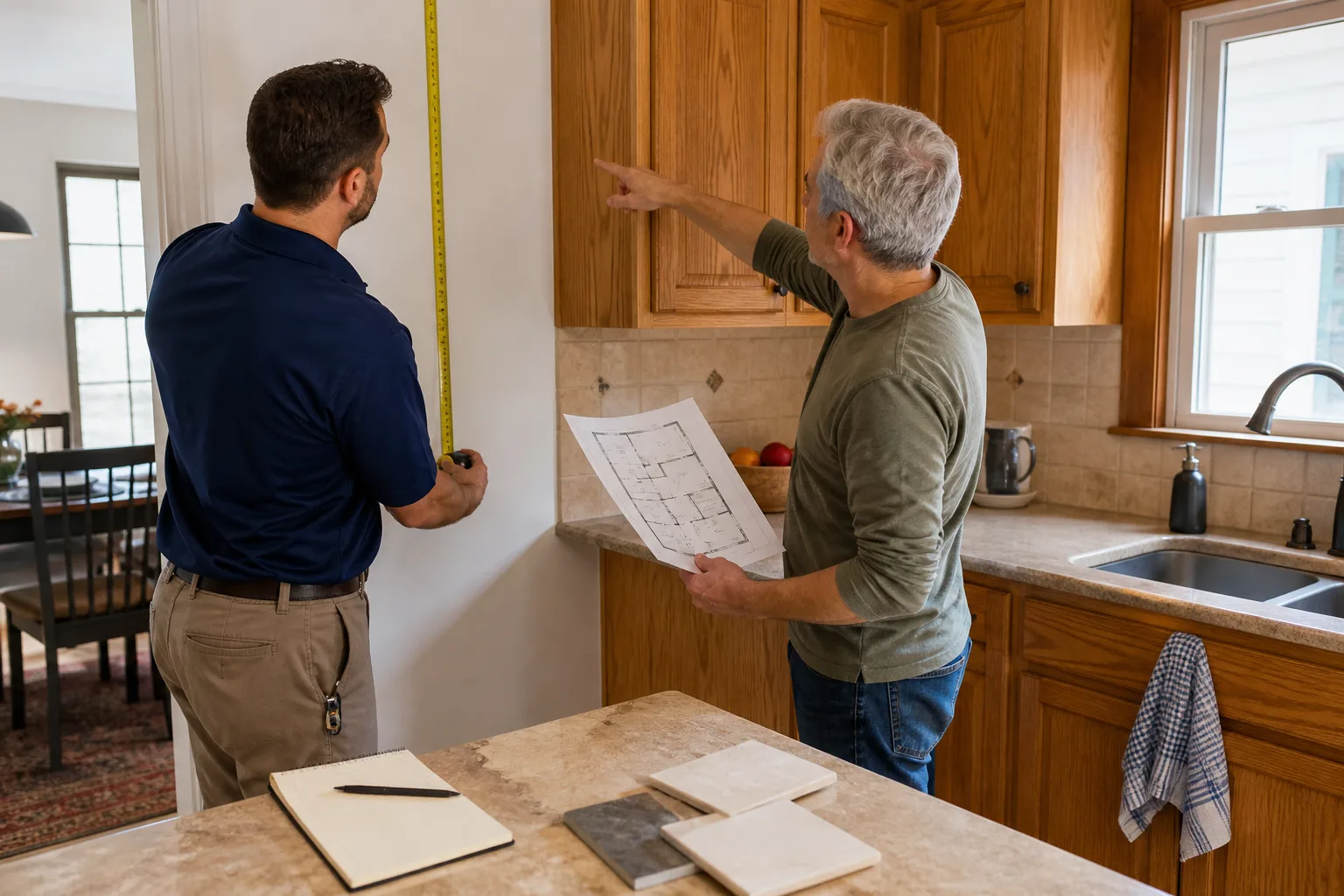
- Plan in the wet months. Design, material selection, permits and the pre-rainy-season inspection.
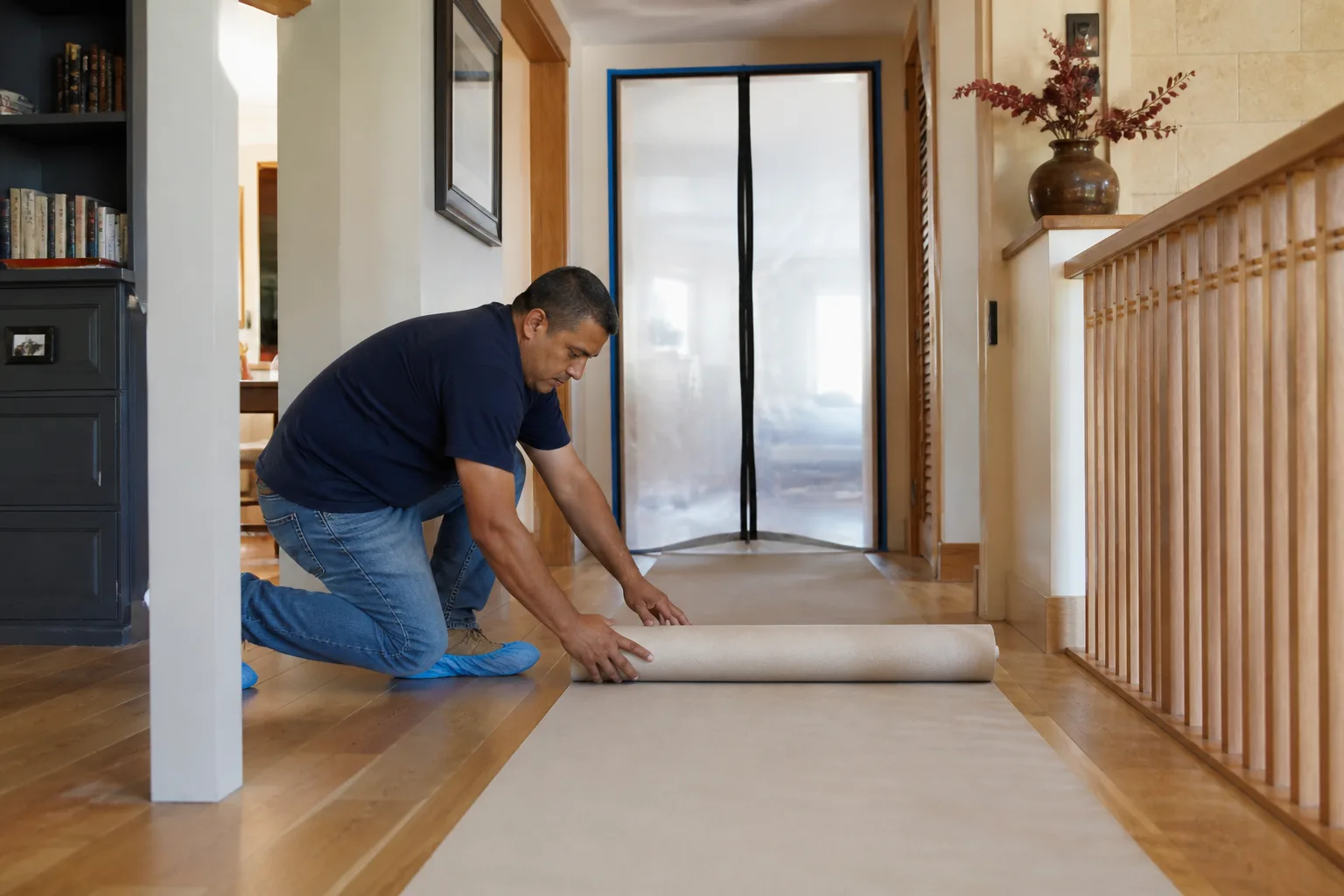
- Protect and demo. Interior demolition with weather protection where any part of the envelope is exposed.
- Structural and envelope work. Where exterior work is needed, it’s timed to the dry window (July-September) or dried in promptly.
- Interior rough-in and finish work. Drywall, cabinetry, countertops, tile and flooring – all controlled-environment work that can proceed reliably through the wet months.
- Painting and final details. Interior painting is flexible; exterior painting is scheduled for the dry window when possible.
- Final walkthrough and handoff. One crew from demolition to the final coat, which closes the coordination gaps that appear when multiple trades are hired separately.
When the same team handles kitchen remodeling, flooring and painting under one scope, the schedule adjusts far more cleanly to whichever season a job lands in.
Common Mistakes to Avoid
- Scheduling exterior work in the shoulder season and hoping for a dry week. Tacoma’s rain doesn’t cooperate on request. Push envelope work to the dry window and dry in promptly if you can’t.
- Skipping hardwood acclimation. Materials installed straight out of the box into a damp winter home will cup and gap. Let floors adjust to interior conditions.
- Setting tile on an untested substrate. Slabs and floors can hold moisture in the wet months. Test before setting, and use proper waterproofing.
- Painting exterior surfaces too cold or too damp. Poor adhesion and premature failure are the cost of rushing the schedule.
- Starting interior work with envelope leaks unrepaired. Fix flashing, sill pans and roof-to-wall transitions first; water intrusion during a remodel is far worse than water intrusion on an empty room.
- Waiting until spring to start planning. Scheduling pressure peaks in Tacoma in spring. Winter planning opens up better slots and calmer decisions.
- Using generic materials that don’t suit damp conditions. Ask specifically for moisture-tolerant underlayments and exterior-grade primers rather than assuming the default product fits the season.
See the difference
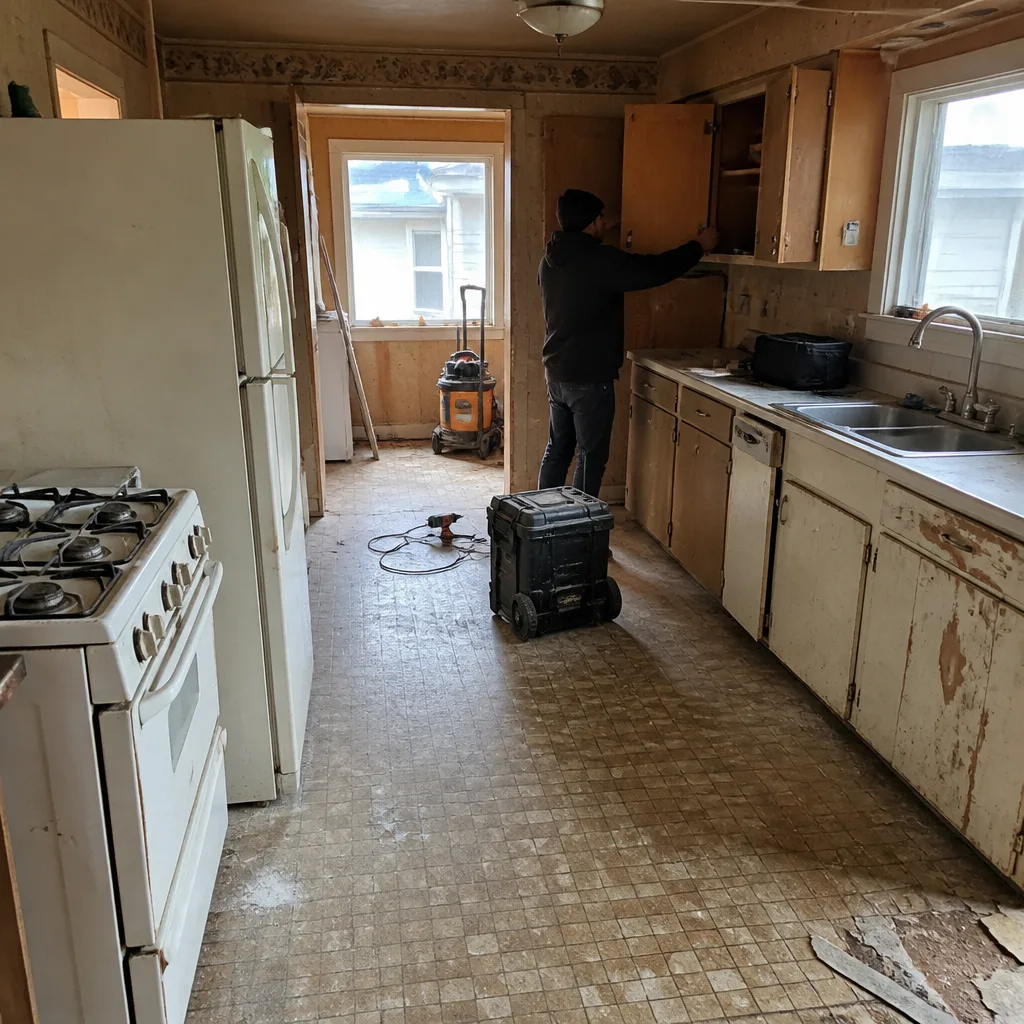 Before
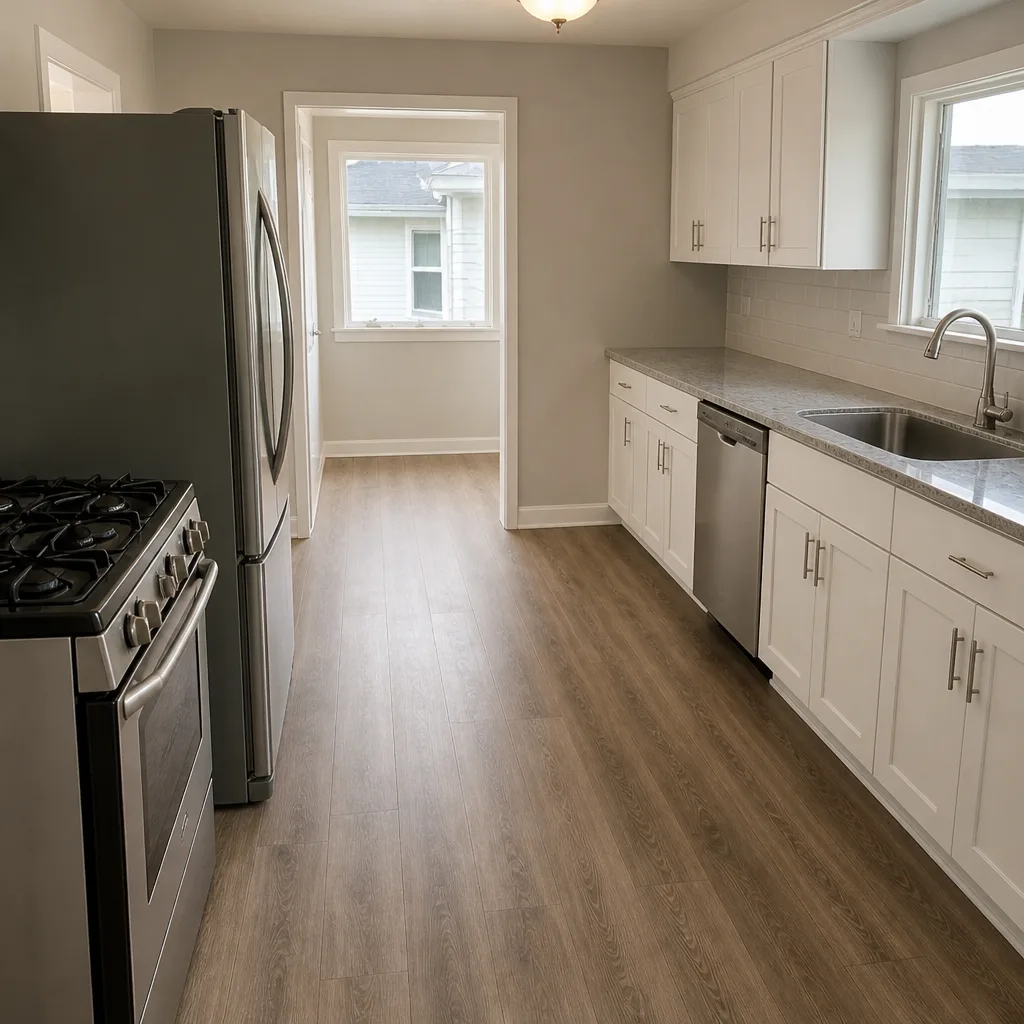 After
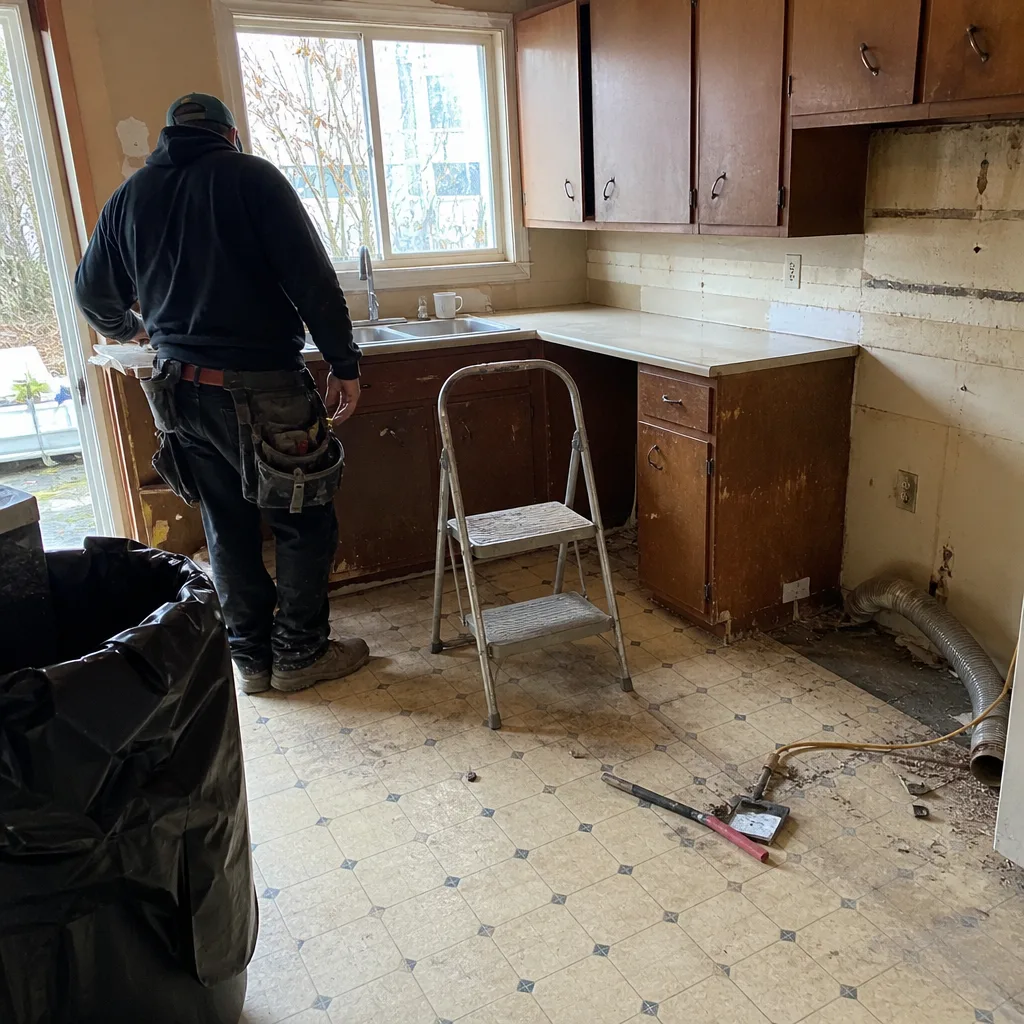 Before
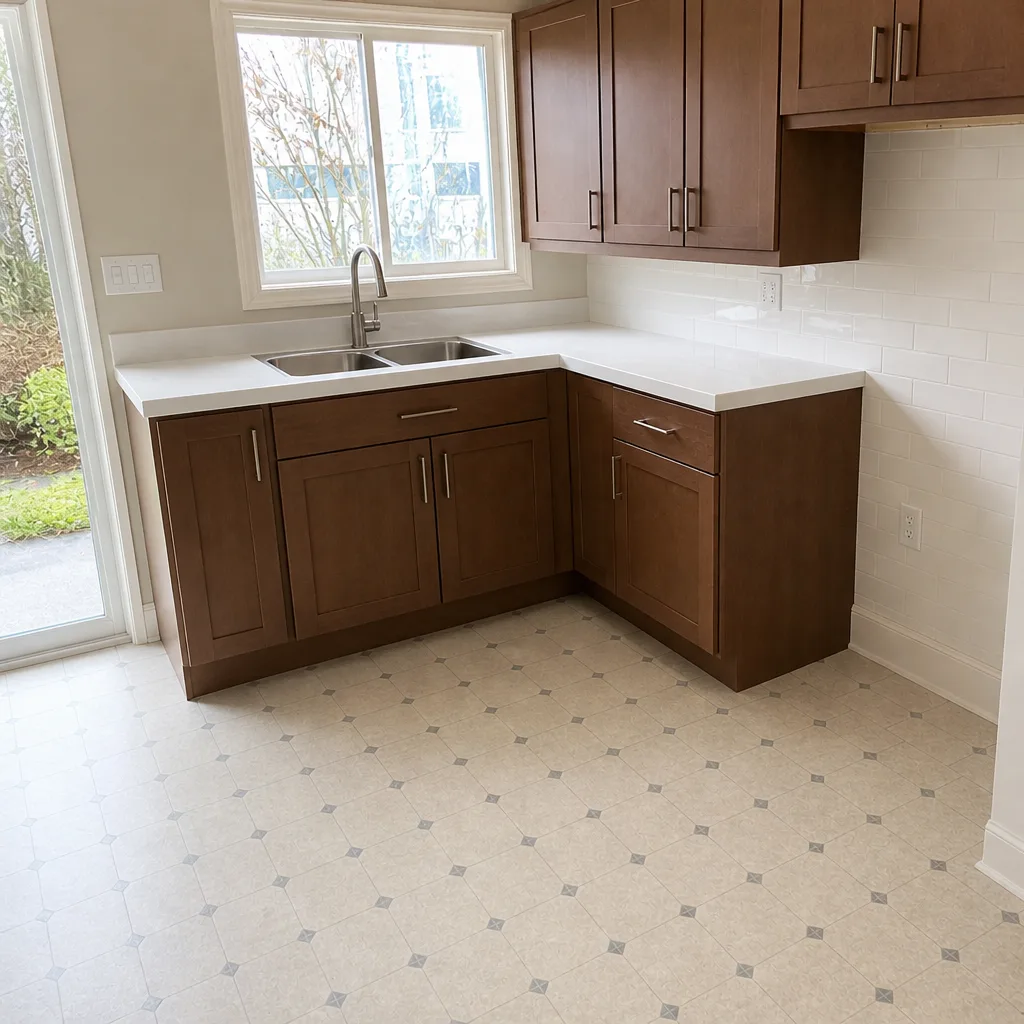 After
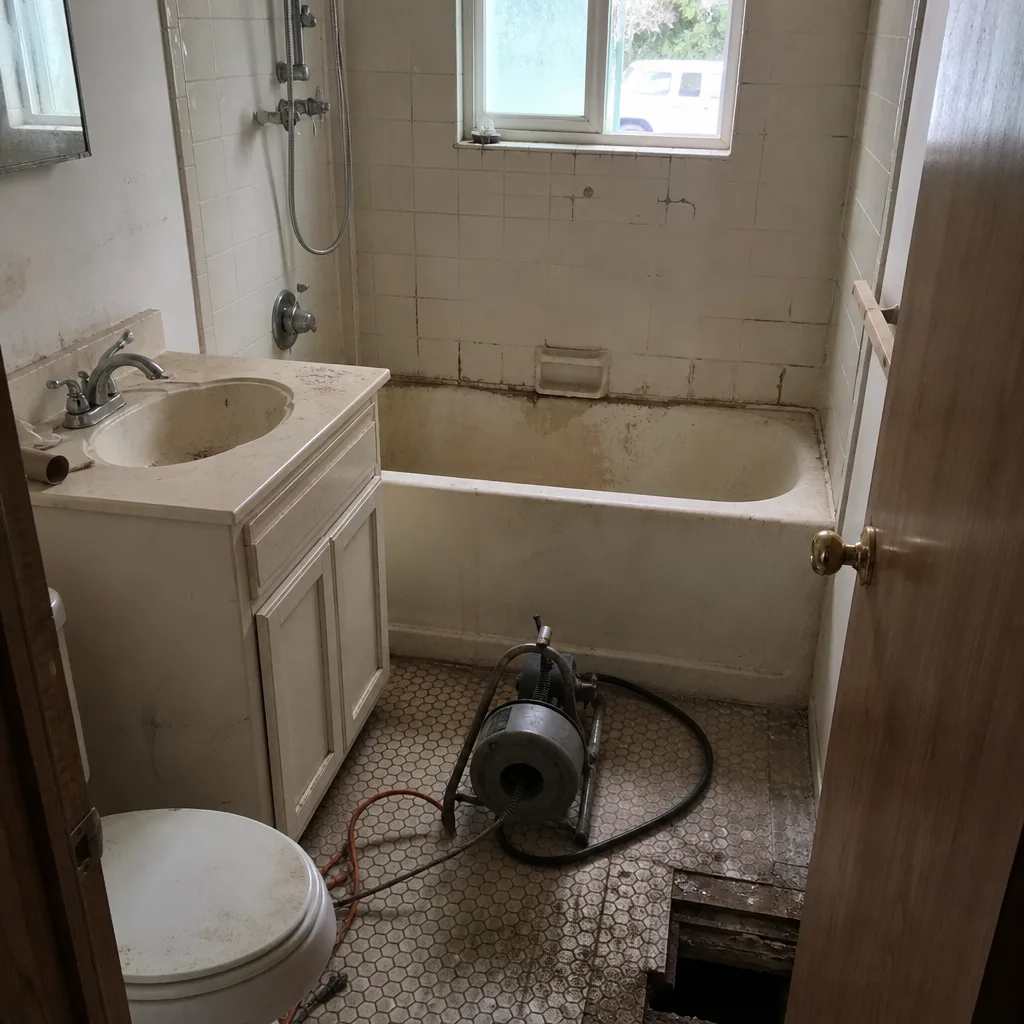 Before
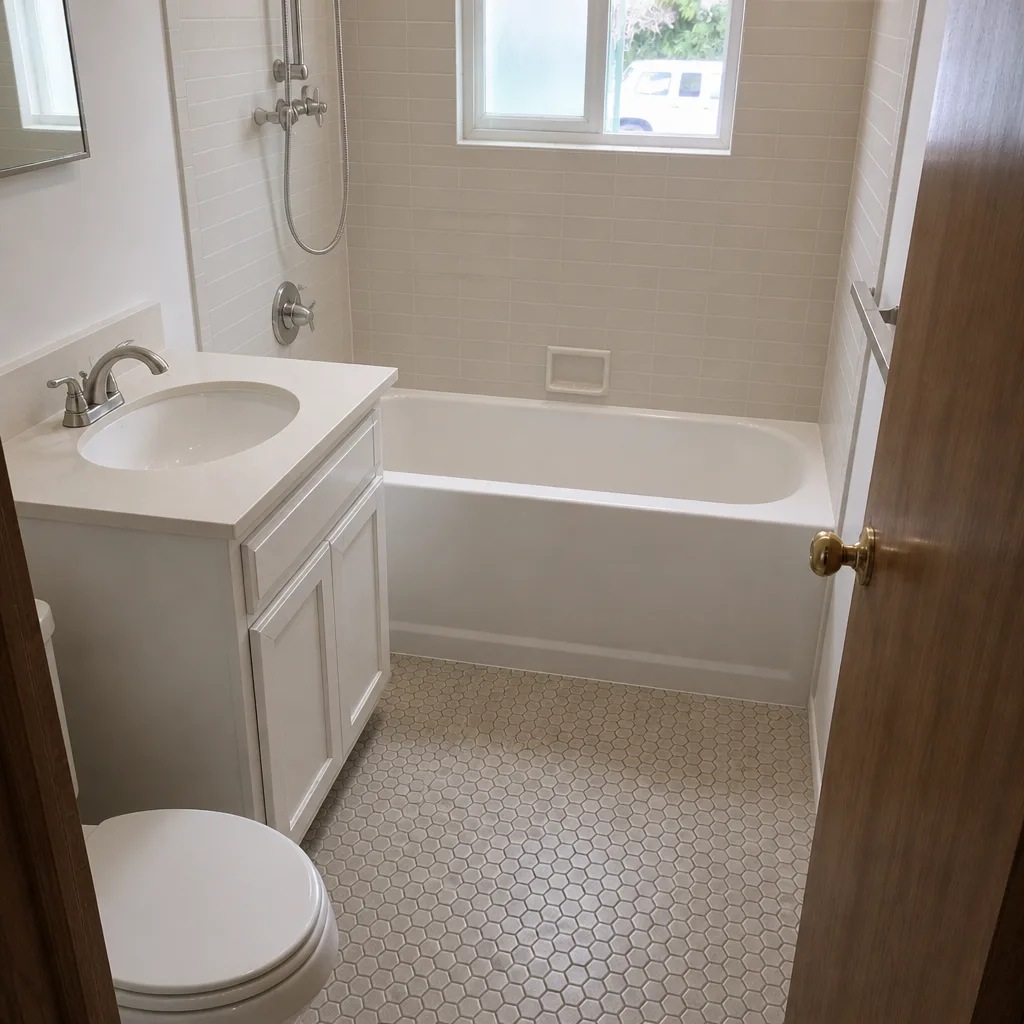 After
When to Call a Professional
If a pre-rainy-season inspection turns up leaking flashing, damaged sill pans or suspect roof-to-wall transitions, that’s a job for a trained professional – water management in walls is where small errors turn into expensive interior damage. The same is true for exterior painting on cold or damp substrates, tile work on a moisture-loaded slab, and any structural change that opens the envelope. And if you’re planning a meaningful kitchen, bath or whole-home remodel, the earlier a professional is involved, the better the whole year-round schedule fits together. Tacoma Remodeling Pros offers free estimates in Tacoma – call (253) 295-2010.
Frequently Asked Questions
The July-September dry window is the best season for anything that exposes the building envelope, including siding, exterior painting, windows and additions. Interior remodeling – kitchens, bathrooms, flooring and interior painting – can proceed through the wet months with proper moisture management, which makes winter and spring good for planning and interior-led work.
Yes. Most interior kitchen and bathroom work runs well through the wet months because it happens inside the envelope, provided substrate moisture is tested and the space is ventilated and dehumidified as needed. The key is good sequencing and proper moisture-tolerant materials. Call (253) 295-2010 to talk through a wet-season schedule – estimates are free.
Acclimation time varies by species, board thickness and indoor conditions, typically running from several days to a couple of weeks. In winter, indoor heating lowers relative humidity; in summer, humidity is higher. The floor should adjust to the interior conditions it will actually live in, and the substrate should be moisture-tested before installation.
Spring brings a surge in demand as homeowners start projects after the wet months, and the dry window is short. That pressure fills the best project slots early. Planning over the winter gives you a better chance at the schedule you want and more time to make material decisions calmly. Call (253) 295-2010 to get an estimate on the calendar.
Focus on envelope details: roof-to-wall transitions and step flashing, window and door sill pans, deck and balcony flashing, gutters and downspouts, caulking and exterior paint, the foundation and crawlspace, and attic ventilation. These are the areas most likely to let water into an interior remodel if they fail. A professional walkthrough is worth having before work begins.
Yes. Exterior-grade primers and paints are formulated to perform better on cold or marginally damp substrates than standard interior products, and surface temperature matters as much as air temperature. On exterior work, schedule for the dry window where possible; for interior work, choose products suited to your actual conditions.
The Bottom Line
Tacoma’s seasons don’t divide neatly into build-and-wait. There’s a narrow dry window from July through September for anything that opens the envelope, and a long shoulder season that rewards careful planning around moisture. Winter is for design, material selection and permits; spring fills up fast, so getting ahead of the rush pays off. Pay attention to hardwood acclimation, tile substrate moisture and paint adhesion, fix envelope details before you start interior work, and specify products that suit damp conditions by name – vapor barriers, moisture-tolerant underlayments, exterior-grade primers, James Hardie siding, Schluter waterproofing. Get the sequencing right, and Tacoma’s weather works with your project instead of against it.
Ready to plan your remodel around the right season? Call (253) 295-2010. We answer 24/7. Fast dispatch from 7am to 7pm, Sunday through Friday.
Written by the team at Tacoma Remodeling Pros.